| EXHIBITION |
October 6th: a reconfigured archive
Arin Rungjang, Chokchai Tukpoe, Kornkrit Jianpinidnan, Lawan Upa-In, Manas Siansing “Daeng”, Nutdanai Jitbunjong, Patcharapa Inchang, Pitak Piyapong, Ronagorn Kerdchot, Rutjanut Pitapong, Soopol Suriyaacha, Taiki Sakpisit, Thasnai Sethaseree, Thongtouch Theparak
October 6th: a reconfigured archive
Curated by Kittima Chareeprasit
Exhibition period: 10th July - 30th November 2026
At MAIIAM Contemporary Art Museum, Chiang Mai, Thailand
Artists
Arin Rungjang, Chokchai Tukpoe, Kornkrit Jianpinidnan, Lawan Upa-In, Manas Siansing “Daeng”, Nutdanai Jitbunjong, Patcharapa Inchang, Pitak Piyapong, Ronagorn Kerdchot, Rutjanut Pitapong, Soopol Suriyaacha, Taiki Sakpisit, Thasnai Sethaseree, Thongtouch Theparak
Featured artifacts
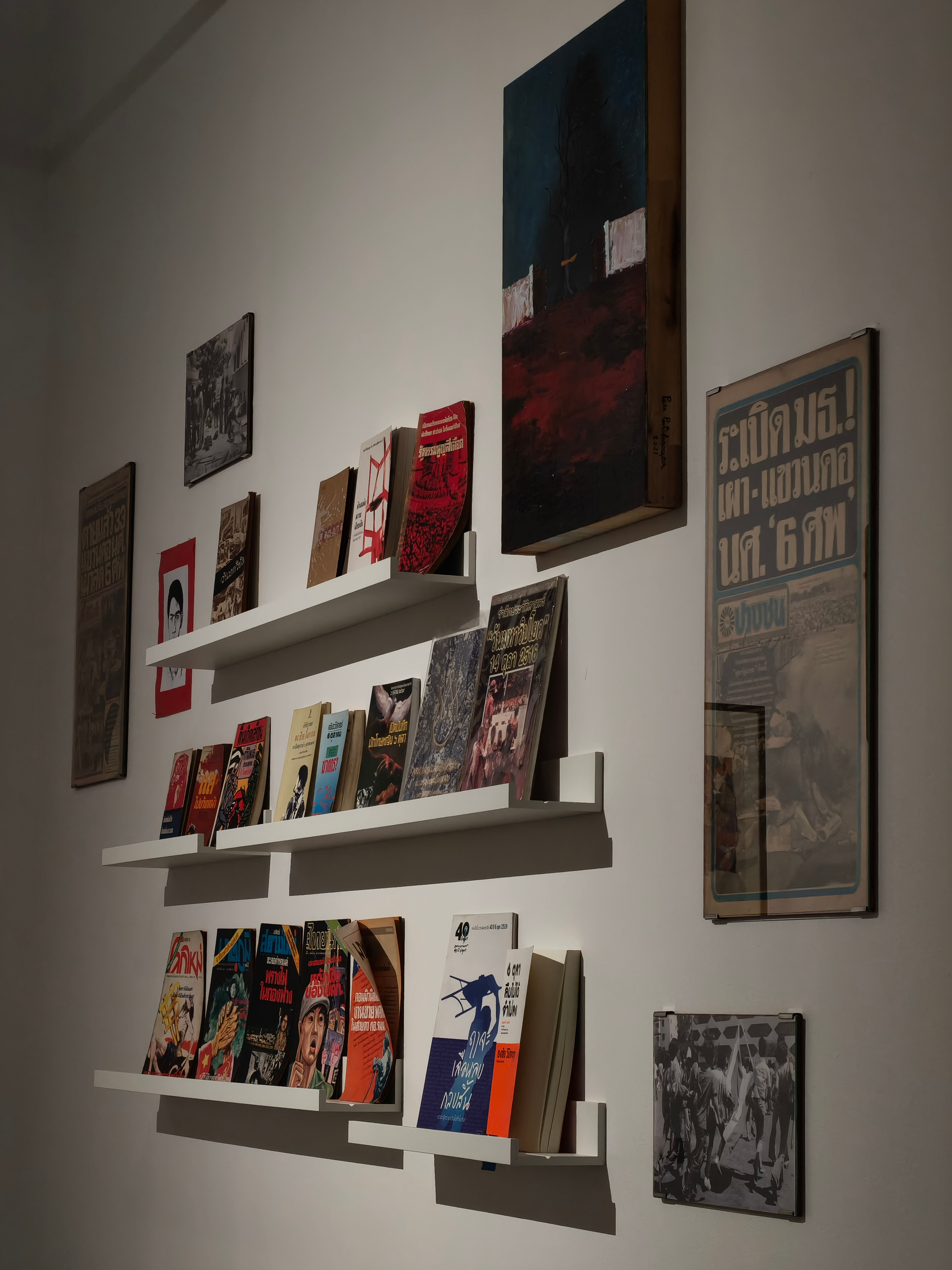
Dawn of Victory, Prism of Photography: Dispersion of Knowledge and Memories of the 6th October Massacre, Selection of Thanom Chapakdee’s manuscripts, Images prior to the 6 October 1976, courtesy of Kornkrit Jianpinidnan's relatives, and publications related to the 14 October 1973 and 6 October 1976 events
"Remembering October 6 is thus the utmost responsibility toward the past, toward the victims, toward injustice, and toward the future of Thai society."
— Thongchai Winichakul, Author's Preface to the first edition of 6 October: Unforgettable but Unrememberable
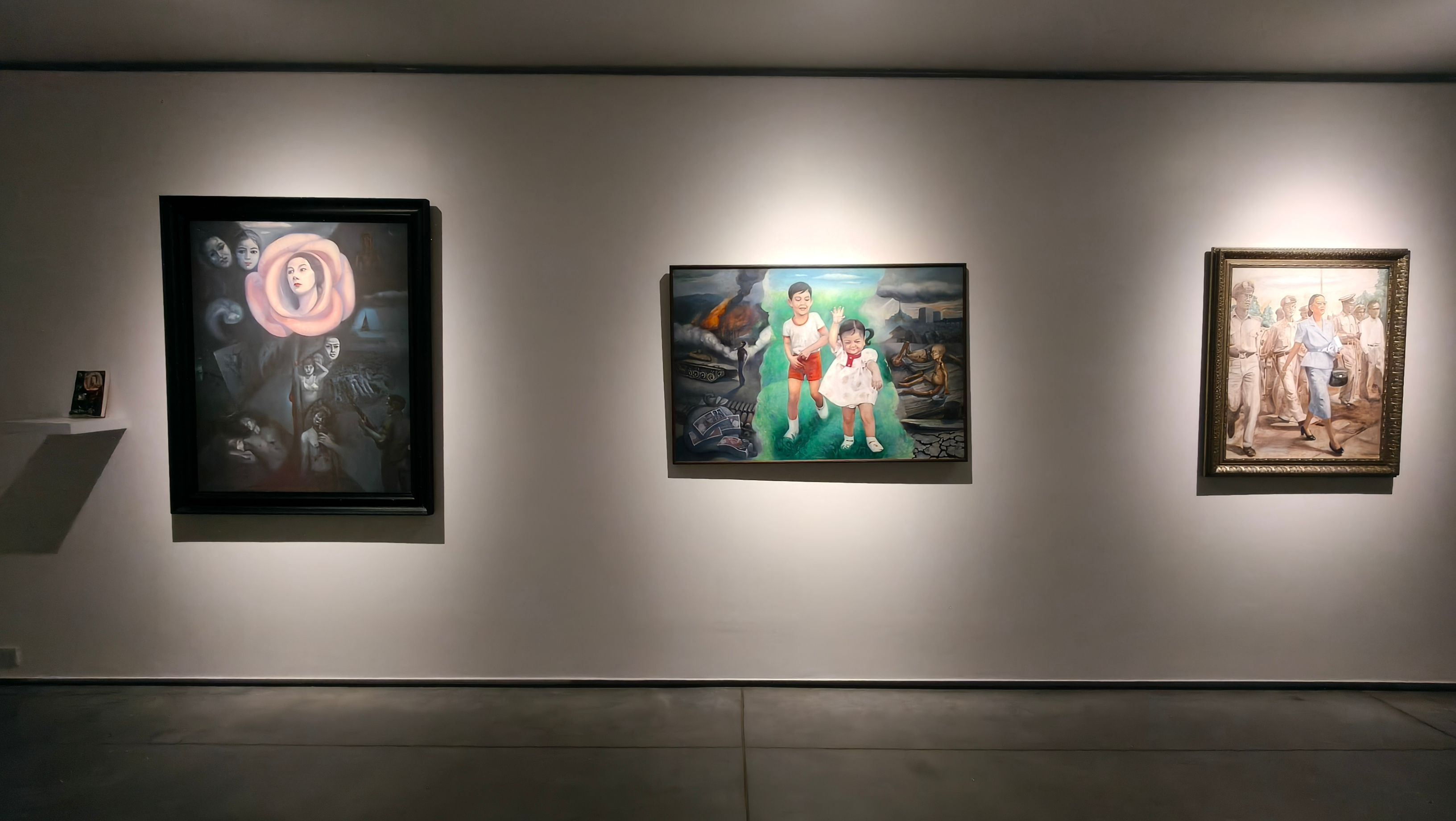
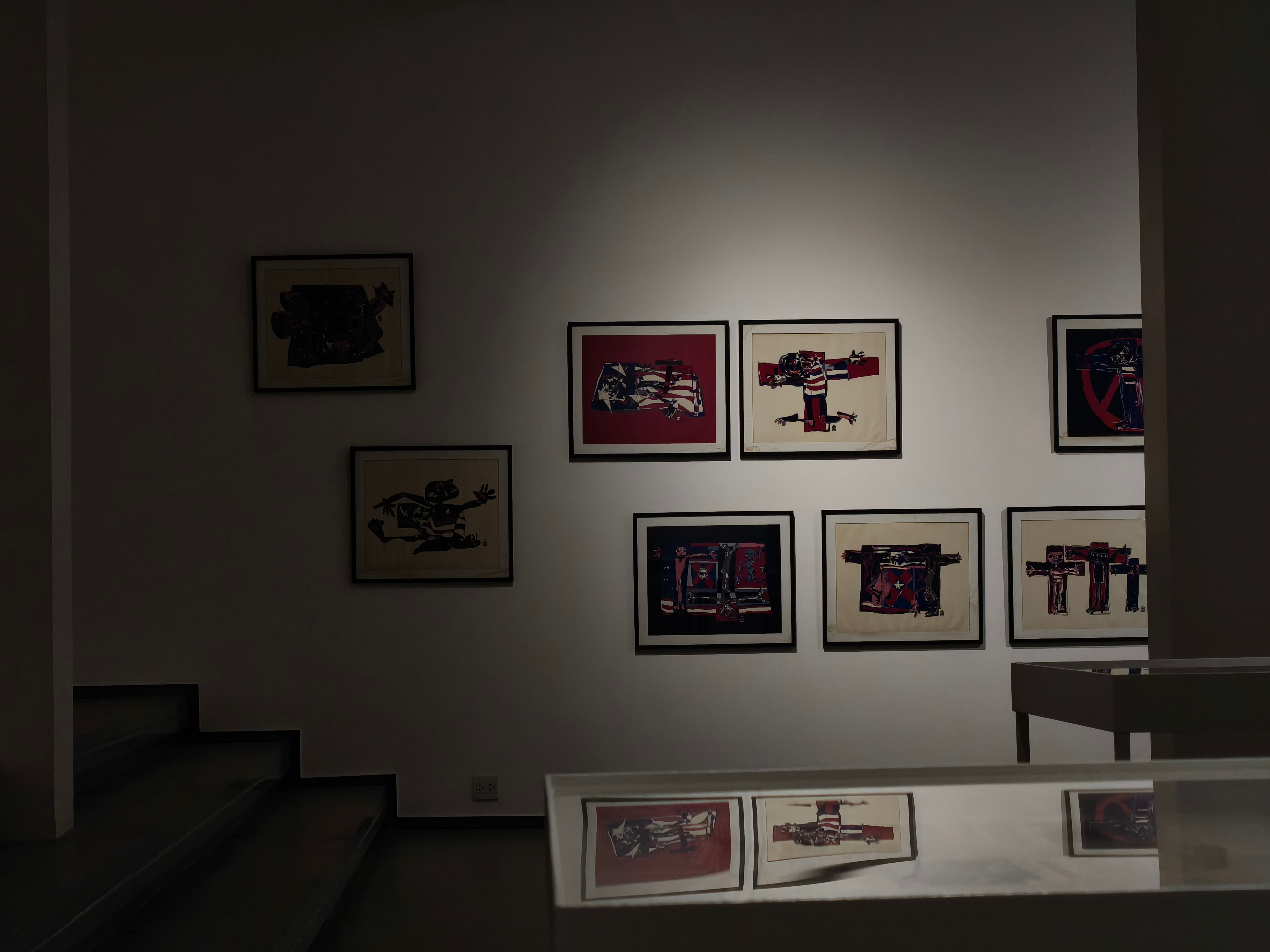
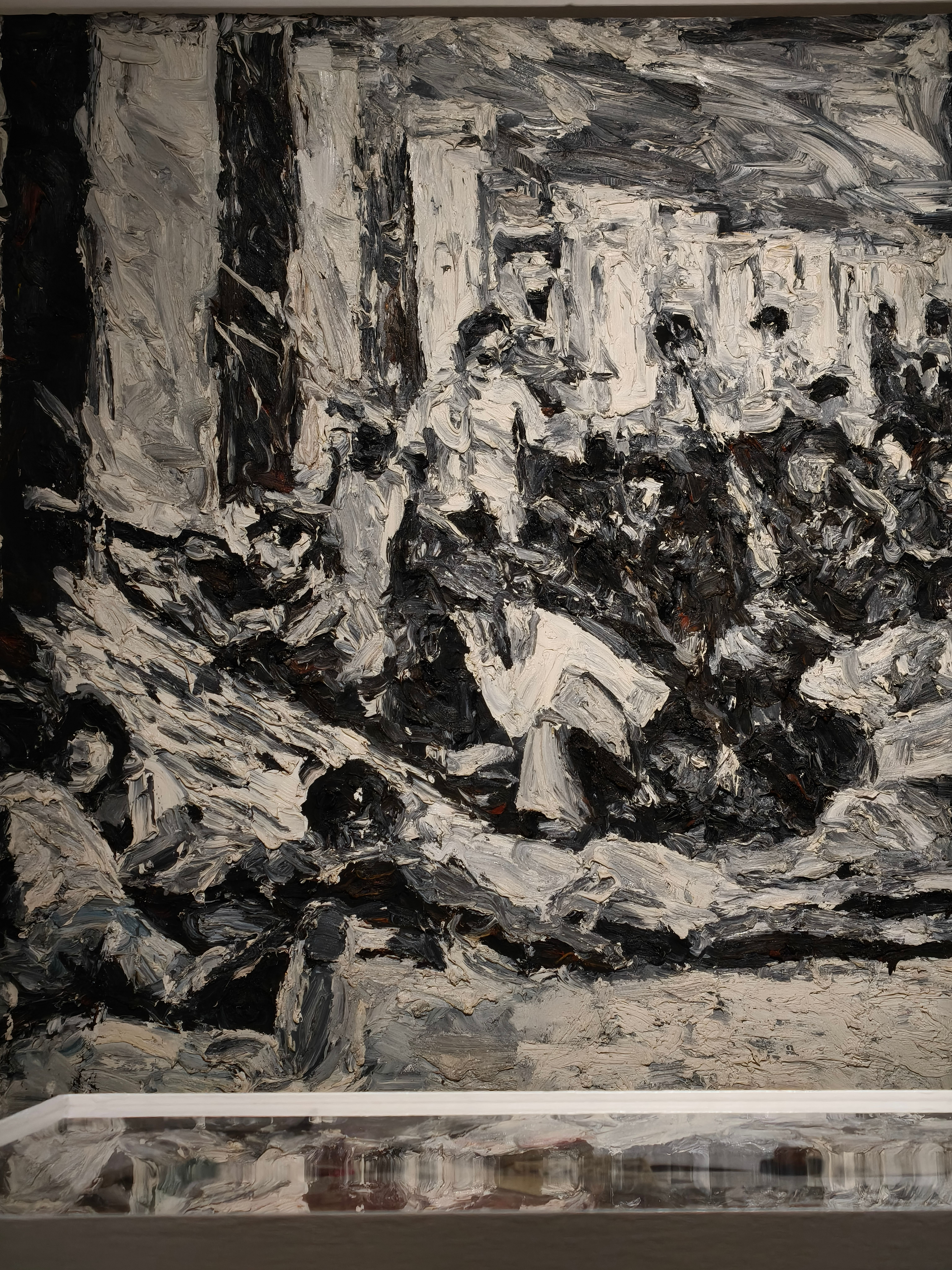
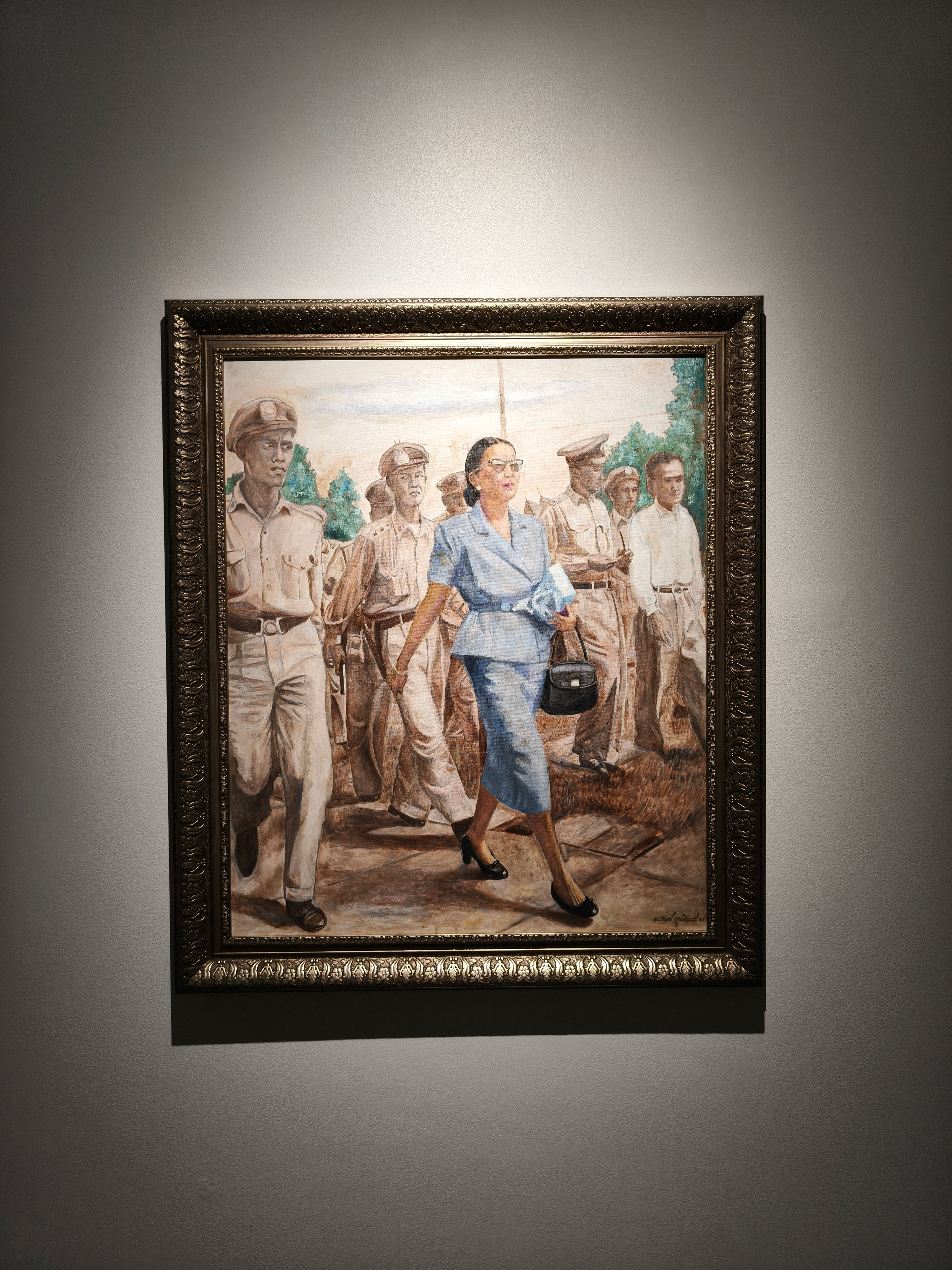
MAIIAM Contemporary Art Museum joins in commemorating the 50th anniversary of the October 6, 1976 event, or the Thammasat University massacre, with the exhibition October 6th: a reconfigured archive. This exhibition takes viewers back to explore historical wounds—from both personal and collective memories of Thai society—through the works of artists who shared the experience of the event, as well as contemporary artists who revisit and question a history that remains unresolved to this day.
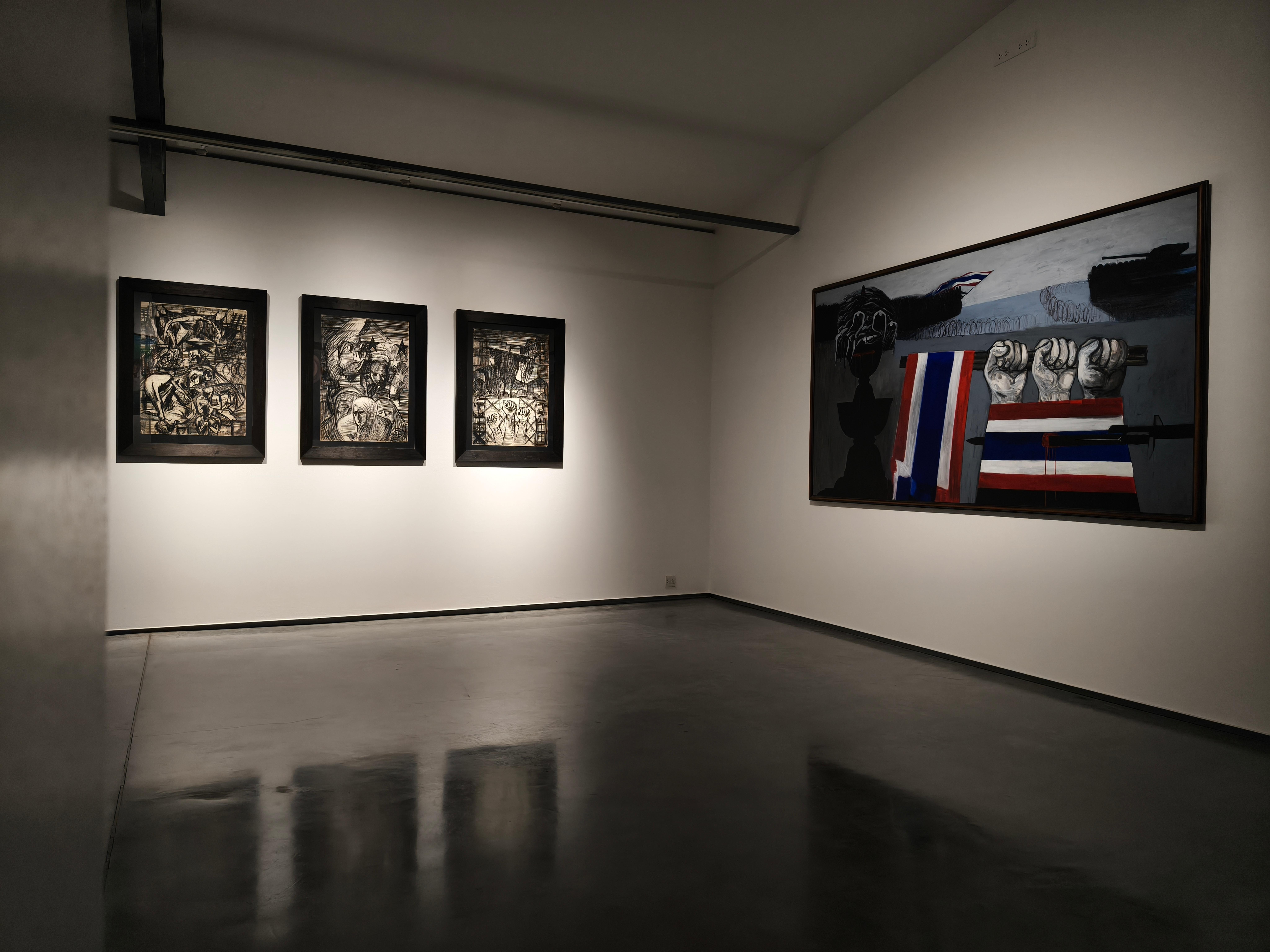
From the student and popular uprising on October 14, 1973, to the events of October 6, 1976, art moved closely alongside society and political struggles under the concept of "Art for Life, Art for the People." Art students and faculty members from various institutions gathered under the name "The Artists’ Front of Thailand," producing cut-outs, posters, prints, paintings, and other art forms as the political media of the era to awaken public consciousness. This eventually led to some artists losing their freedom, facing prosecution, joining the Communist Party of Thailand or even losing their lives.
Beyond creative works used to drive ideology, pieces by artists such as Lawan Upa-In, Chokchai Tukpoe, Thanom Chapakdee, and many from subsequent generations have transformed personal experiences and collective memory into images, sounds, writings, and spaces of remembrance. Art thus serves as both historical evidence and an emotional archive that cannot be erased by state power. Meanwhile, the aftermath of the event reveals a transition from "Art for Life," which once served society and the masses, to "Political Art," which plays a direct role in exploring and questioning societal wounds and realities. Consequently, art and politics remain fundamentally intertwined.
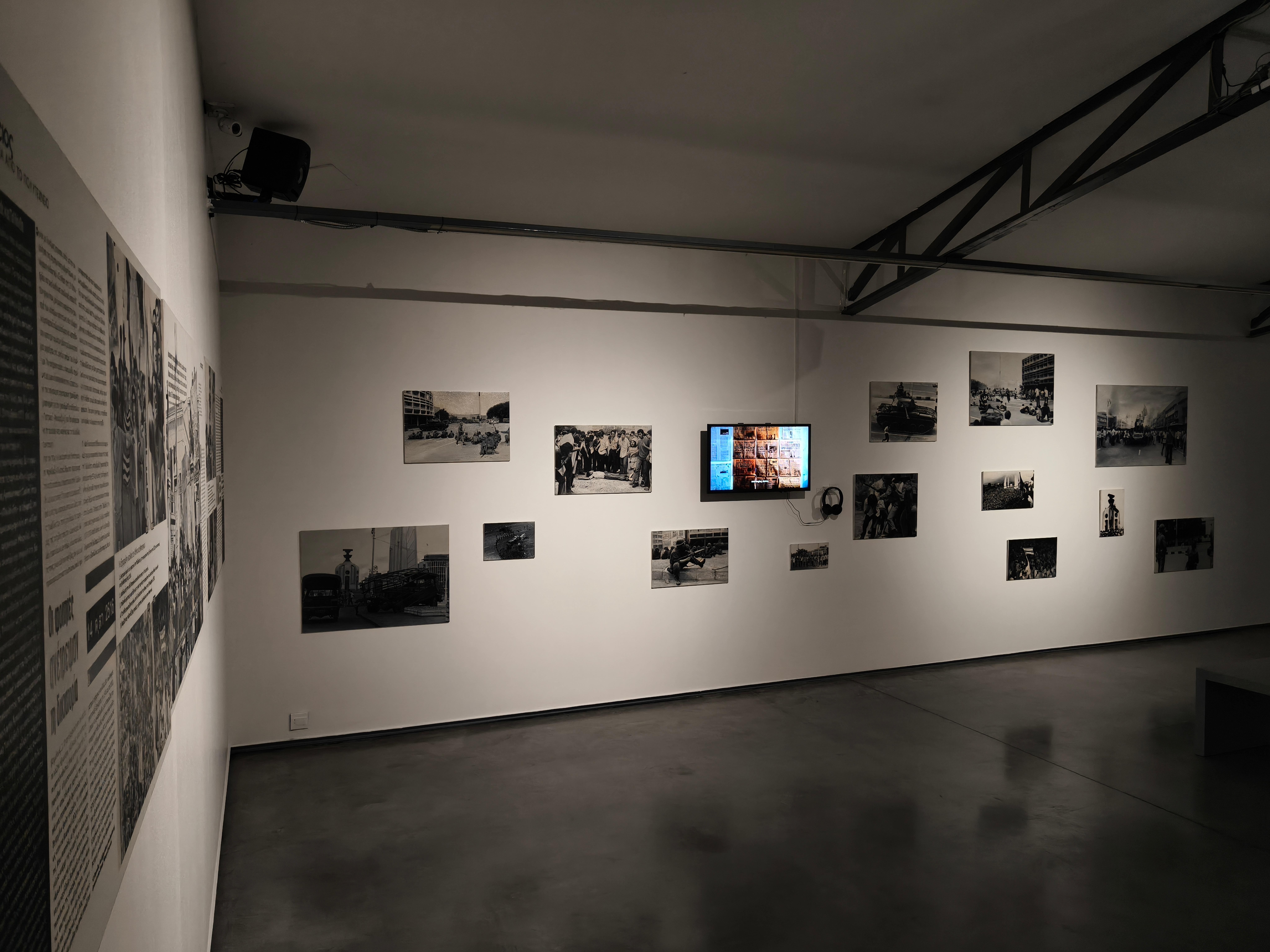
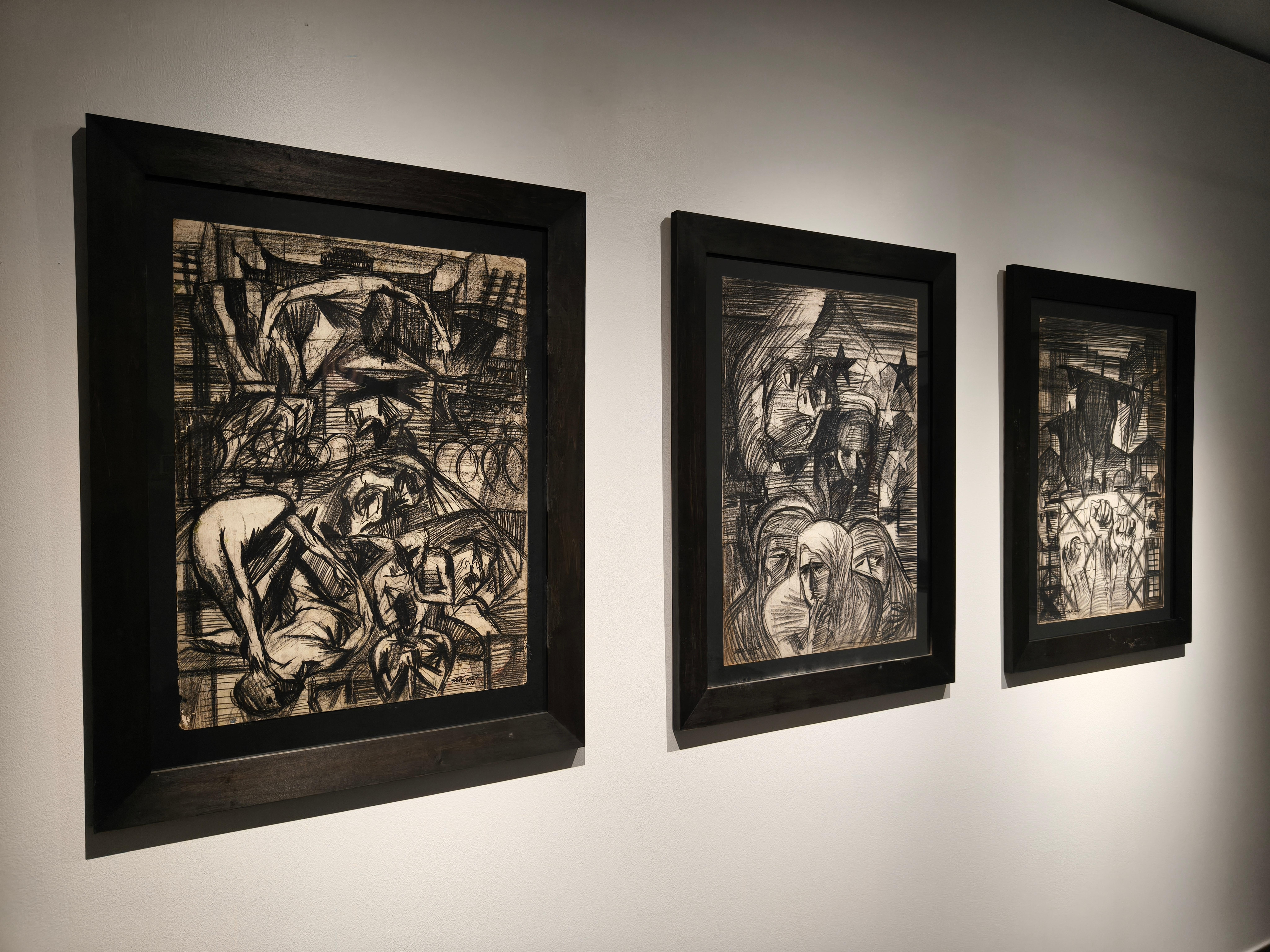
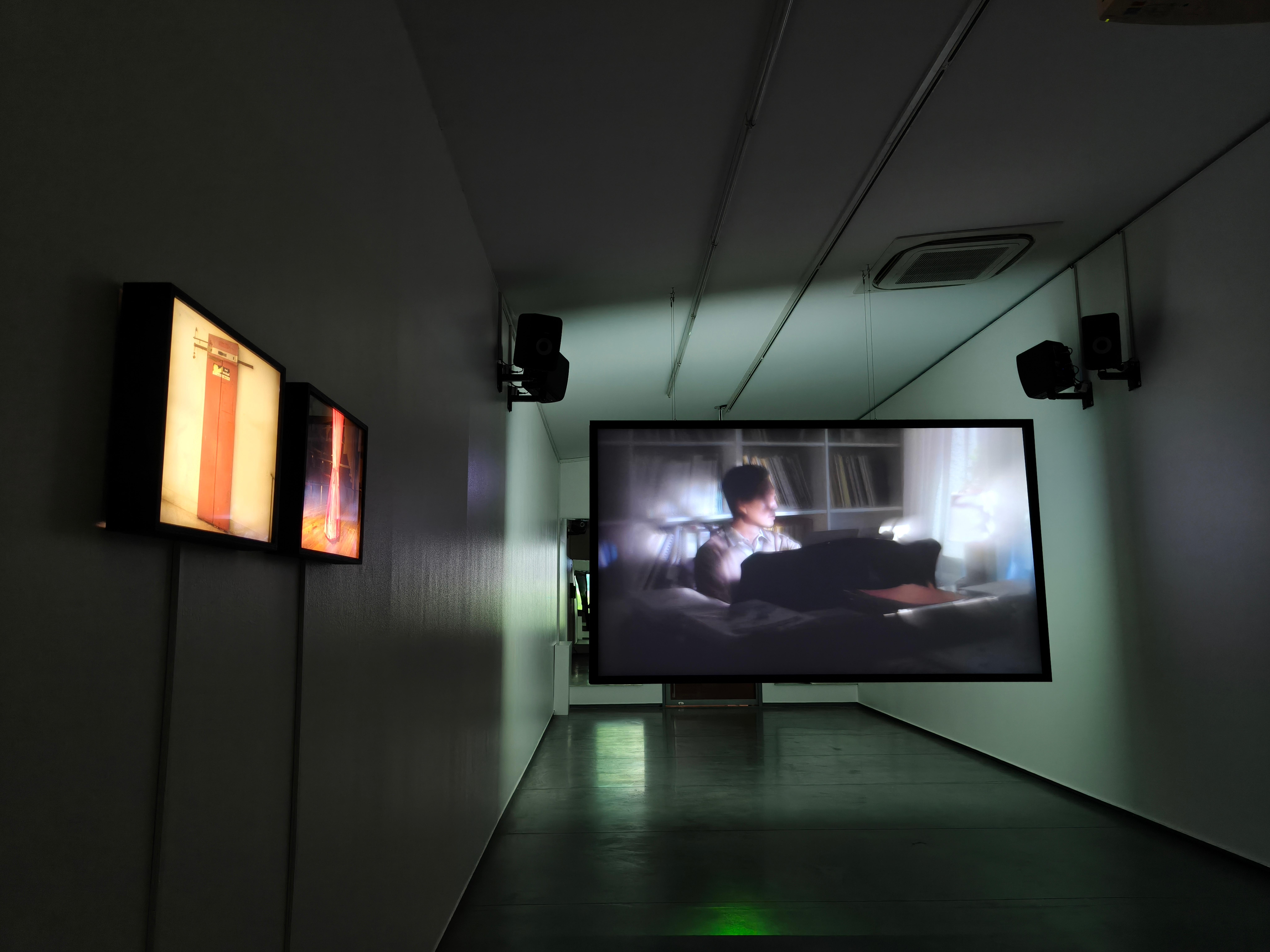
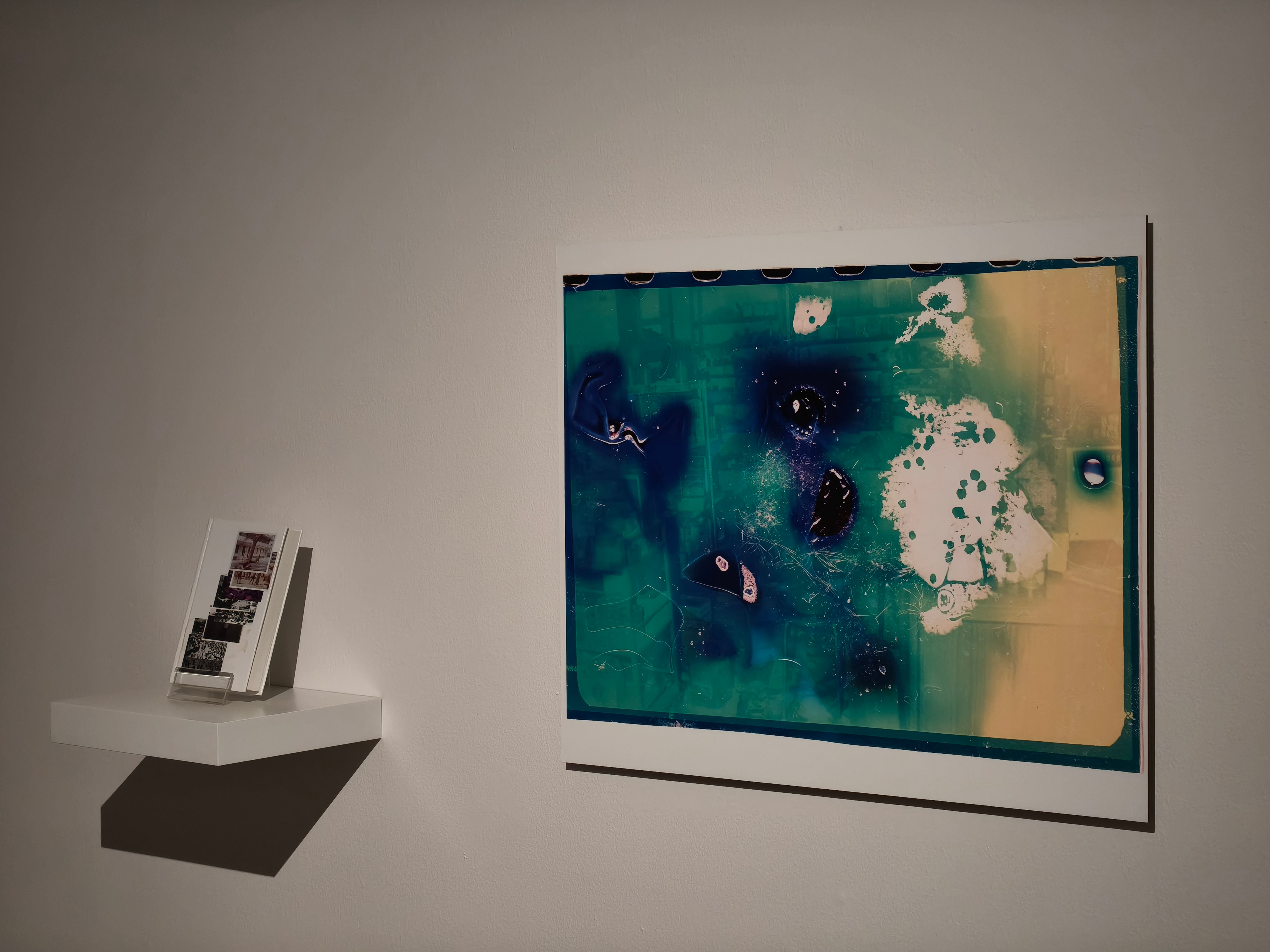
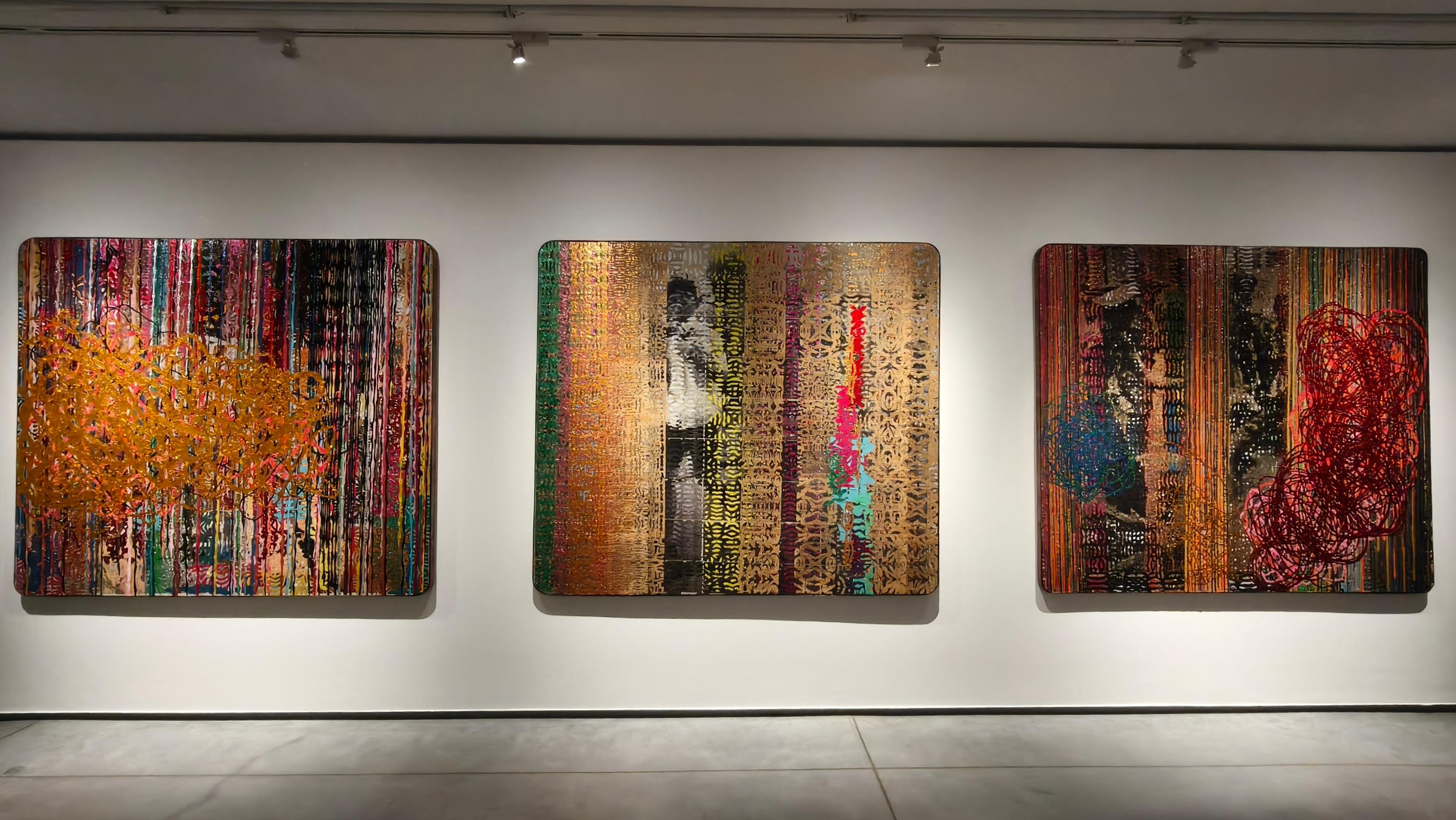
This exhibition approaches works of art as an archive through which the events of October 6, 1976 may be recorded, revisited, and reconsidered. Rather than following the conventions of written historical narratives, it assembles a constellation of images, sounds, objects, and artistic gestures that evoke forms of memory exceeding documentary record. In this way, the exhibition proposes alternative modes of engaging with history through affect, perception, and embodied experience, inviting viewers to reflect on how the violence of October 6 continues to resonate in the present through structures of hatred, dehumanization, state violence, and enduring cultures of impunity. By bringing these works into dialogue, the museum hopes to contribute to an ongoing process of collective remembrance and critical reflection, while opening space to imagine futures in which such violence and injustice can no longer be repeated.
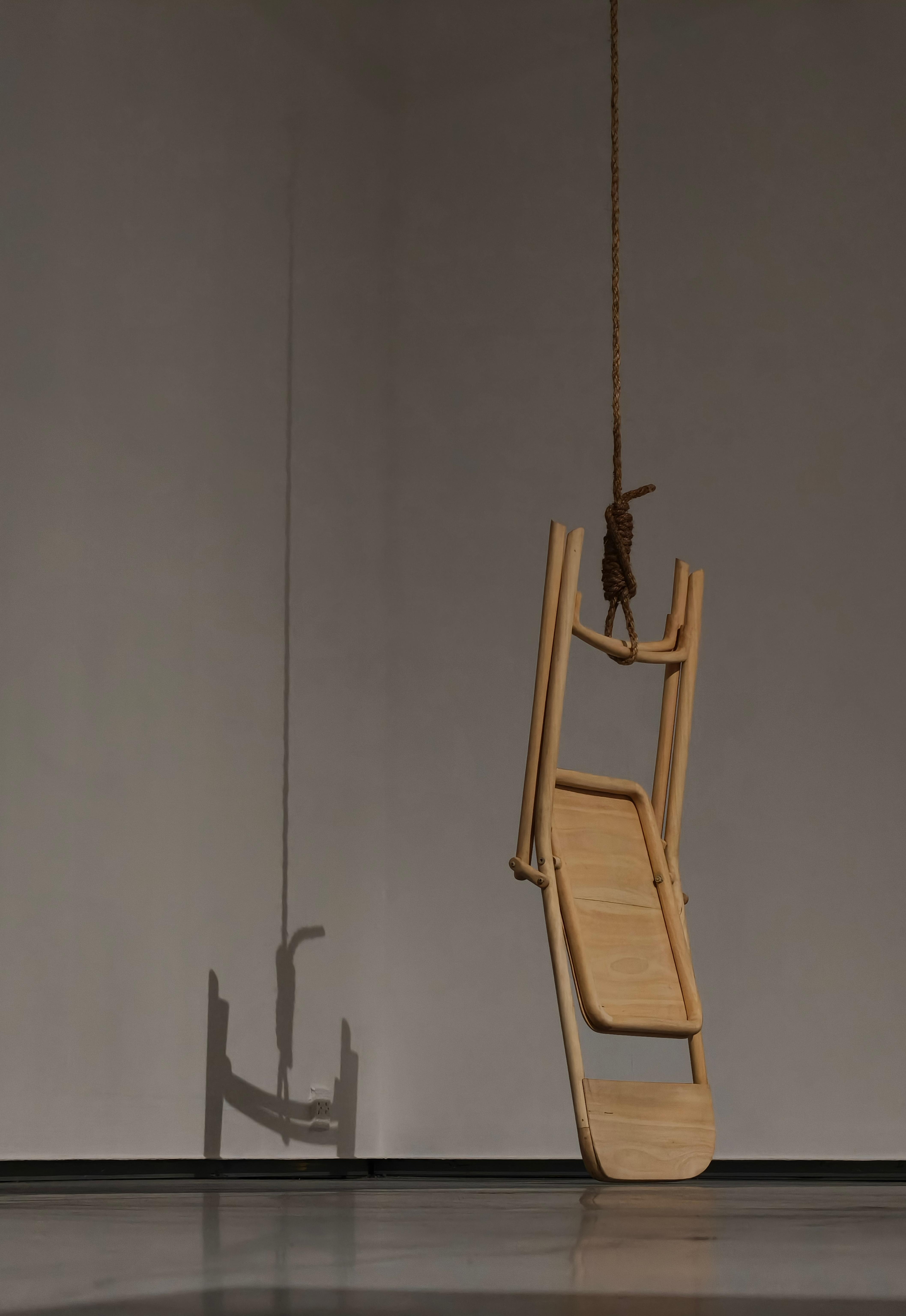
Installation View